

Tate Modern have set up the Futurism Exhibition in such a way that large canvases are framed in the entrances and exits so as you wander round suddenly a glimpse of a work comes into view. I must admit, I found I was moving quickly around the exhibits at first, but over the summer I revisited the show several times and each time found something new of interest. The Futurists’ manifesto is very shocking to us now. The glorification of war is abhorrent to our thinking now. These works were produced up to the stat of the first war and explore a society in the bars, streets of busy cities. There is an experimentation with technique and the exhibition includes cubism to demonstrate the connections between the Futurist and Cubist movements in modern art.
There are many paintings in the exhibition that I found interesting and wanted to discuss. Carlo Carra’s I funerali dell’anarchico Galli, (1910-1911), for example struck me with its violence and business and the sense of eruption it conveyed. Luigi Russolo’s La rivolta, (1911) with its red, yellow blue and stunning diagonals marching out of the left of the canvas. The size and colour in this image drew me to it as soon as I saw it. This was the antithesis of the Richard Long aesthetic. It felt like a large army on the move and heavily populated space. Another busy painting full of energy was A Gino Severini’s La Danse du <<pan-pan>> au Monico, (1909-1911/1959-1960). From a distance the red girl in the centre catches the eye, but much closer up, it becomes apparent that the image is made up of a montage of fragments of people. It is clear in this painting how Cubism has had an influence on Futurism.
I personally found the Futurism Exhibition much more interesting than the Richard Long Exhibition. However, they made extremely interesting contrasts, which reading together made me think differently about each exhibition.
Reviews and Previews
Futurism Tate Gallery in the Times
Futurism The Telegraph
Futurism at Tate
Futurism in The Indpendent
Evening Standard – Futurism Exhibition
Catalogue
Ottinger, D. (2009) Futurism. London: Tate Publishing
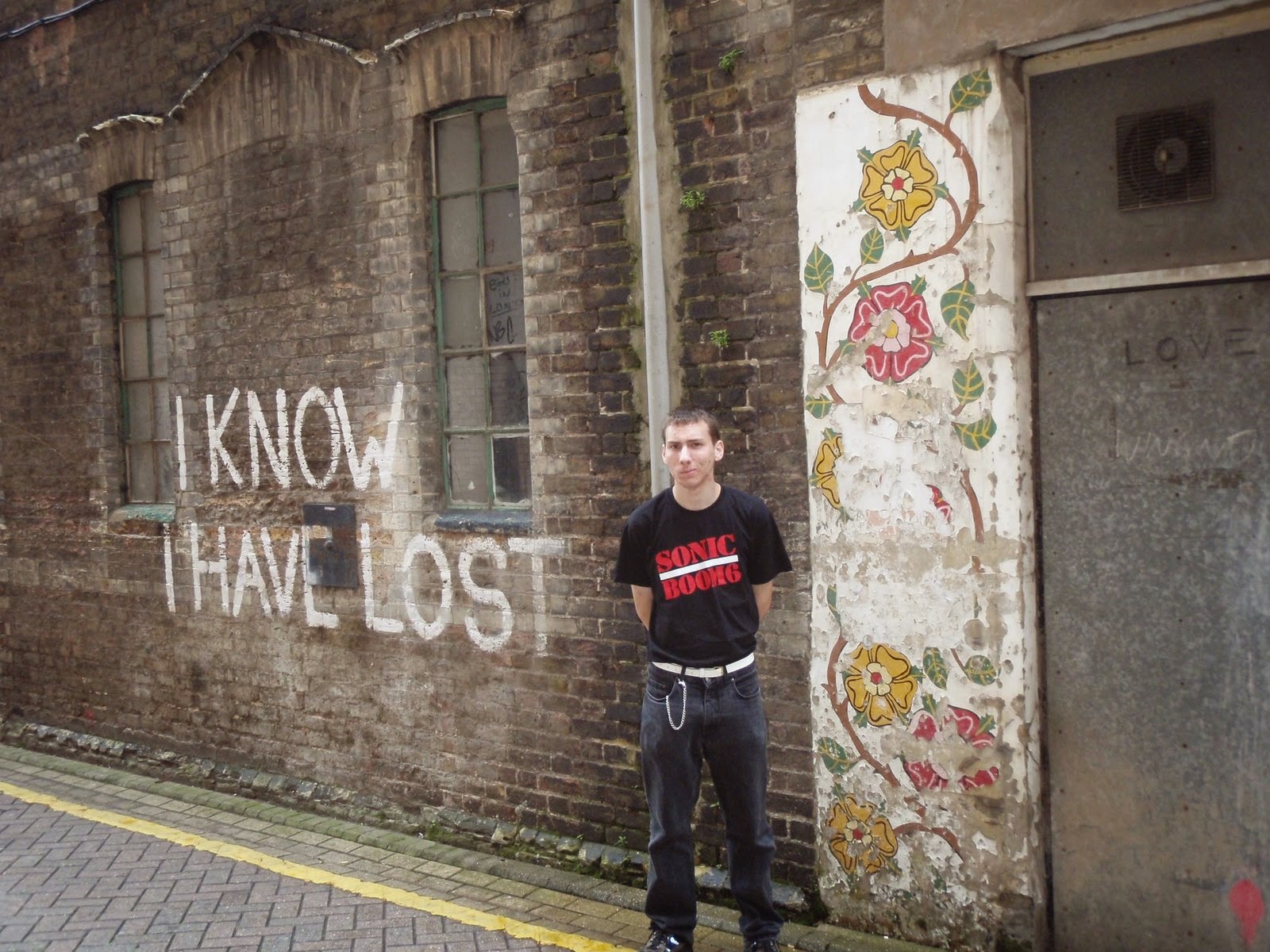
 The Tour is free and you get a map of where to go, so we decided to give it a go. It was interesting and not always easy to find the works, though I must admit sometimes we couldn’t see for looking. The Tour takes you along the back streets around the Tate, and you go under railways, past the amazing Red Cross cottages, over main roads and to a basket ball court. We did it in about an hour and I liked seeing parts of London, I might not have actually seen if I hadn’t done the Tour.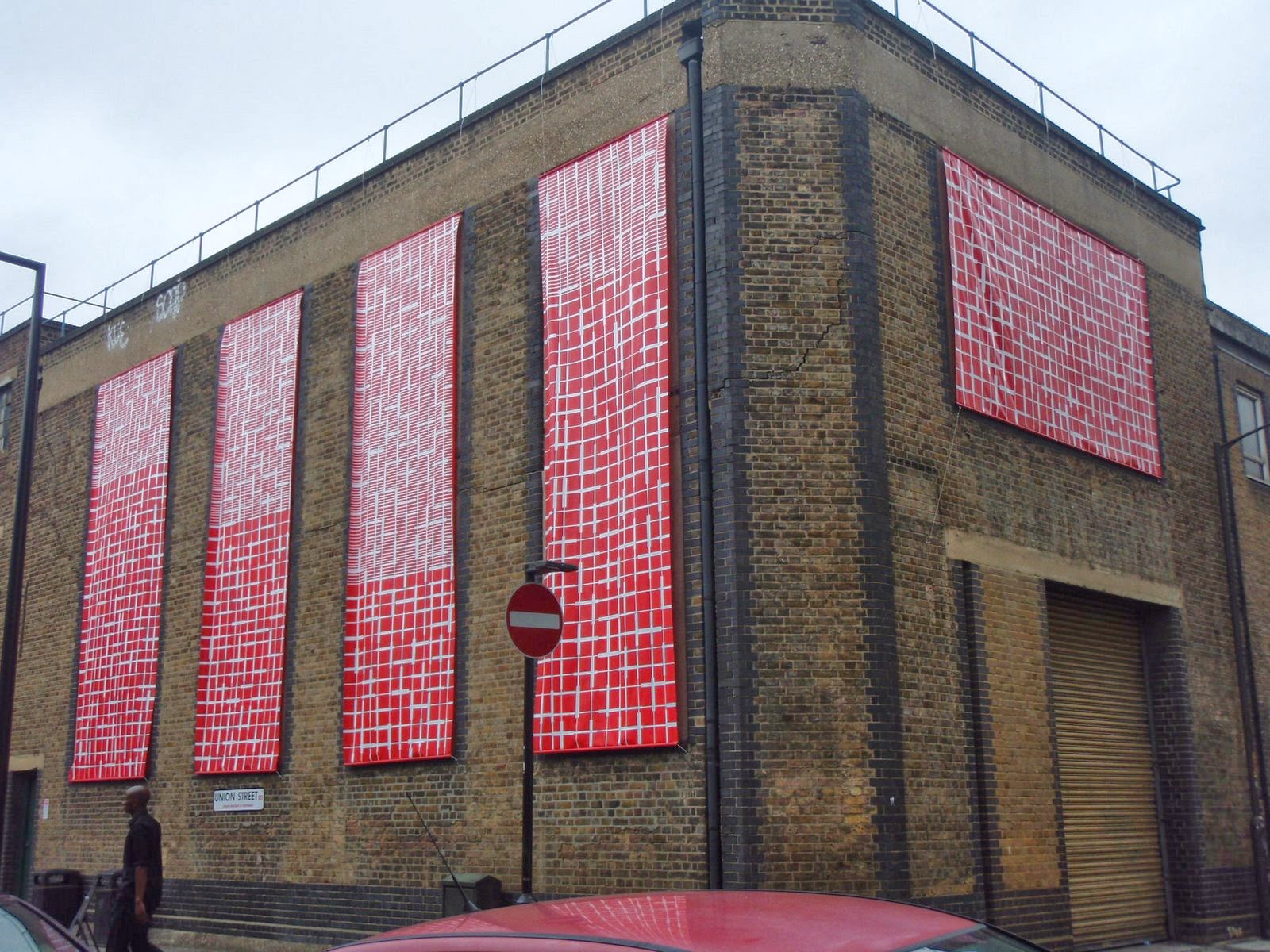
 between the acts